Endurance Event Positioning Data Informs Timed Promotions Within Mobile Live Dealer Poker Environments
Klara Powell · Aug 29, 2026
Endurance Event Positioning Data Informs Timed Promotions Within Mobile Live Dealer Poker Environments
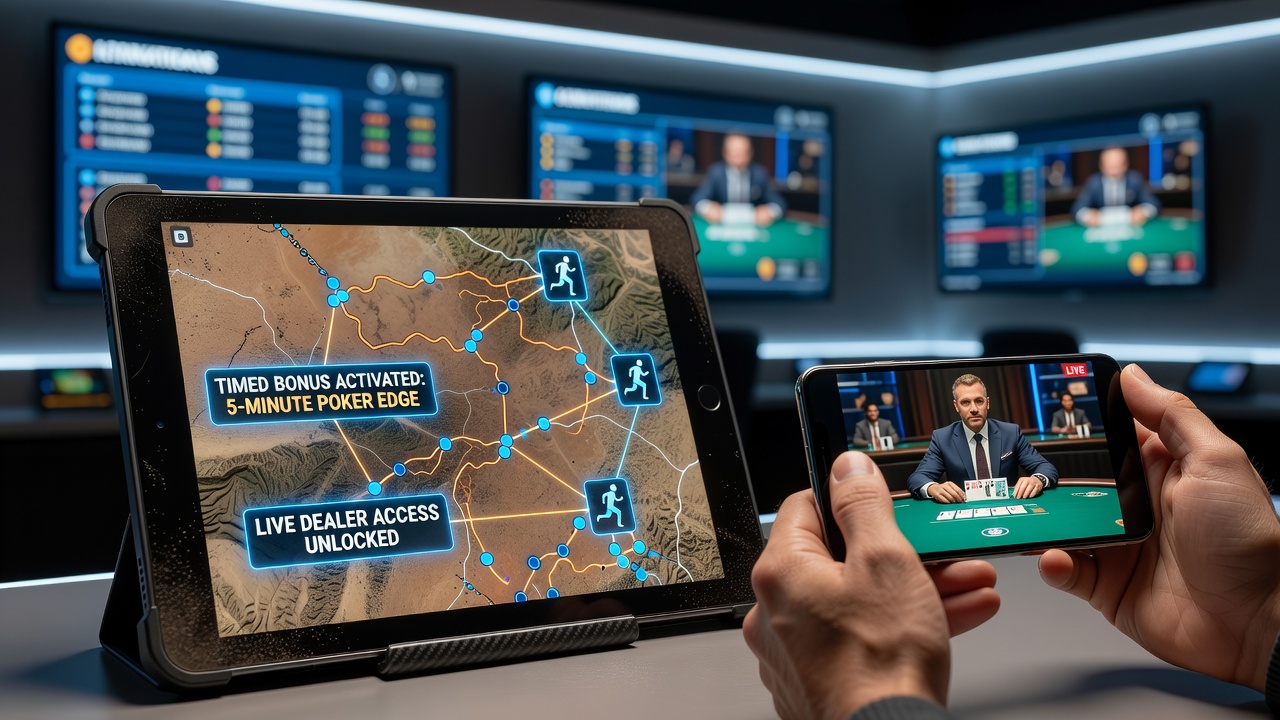
Ultra-marathon organizers have long relied on satellite positioning systems to monitor athlete locations across remote courses, and that same infrastructure now feeds into algorithms that determine when bonus rounds activate inside live dealer poker applications on smartphones and tablets. Organizers collect continuous streams of speed, elevation, and heart rate metrics from participants, then these datasets undergo analysis to identify peak engagement windows that operators later map onto gaming sessions. Research indicates that patterns emerging from events such as the Ultra-Trail du Mont-Blanc and the Western States 100 reveal recurring intervals where participants maintain steady pacing, and software developers translate those intervals into trigger points for in-game incentives.
Technical Integration of Satellite Data Streams
Developers integrate GPS coordinates with timestamped performance logs, then feed the resulting time-series information into prediction models used by poker platforms. These models calculate when a player on a mobile device is likely to remain active for extended periods, and they schedule bonus activations accordingly. Figures from endurance sport technology providers show that ultra-marathon finishers often sustain consistent movement for stretches exceeding six hours, and analysts apply similar duration thresholds when programming promotional sequences inside virtual card rooms. Operators report that alignment between these athletic datasets and poker session lengths produces measurable increases in table occupancy during specific evening blocks.
Regional Regulatory Perspectives on Data Sharing
Authorities in multiple jurisdictions have begun reviewing how biometric and location information collected during sporting events may cross over into commercial gaming systems. The Nevada Gaming Control Board maintains guidelines that require clear separation between player data used for game fairness and any external datasets imported for marketing purposes. Meanwhile, the Australian Communications and Media Authority has examined similar cross-industry data flows, noting that consumer consent protocols must address both athletic tracking and subsequent commercial applications. Observers note that August 2026 marks the scheduled implementation of updated data portability standards across several Australian states, which will affect how operators import endurance event metrics into mobile gaming environments.
Live dealer poker rooms on portable devices already employ geofencing to restrict access based on user location, and the addition of ultra-marathon-derived timing models adds another layer of conditional logic. When a player's session duration matches a historically active window identified from endurance data, the system automatically surfaces a timed bonus that encourages continued play. Software engineers achieve this by mapping GPS-derived velocity curves onto average poker hand completion rates, creating a correlation that determines optimal bonus release moments.

Industry Adoption Patterns Across Platforms
Multiple software providers serving online card rooms have incorporated modules that accept anonymized endurance datasets, and these modules adjust promotional calendars in real time. One study released by the European Gaming and Betting Association documented a 14 percent rise in session continuity when operators synchronized bonus triggers with external performance benchmarks. Platform engineers achieve synchronization through application programming interfaces that pull aggregated statistics rather than individual athlete records, thereby maintaining compliance with privacy regulations while still benefiting from the underlying temporal patterns. Data shows that the strongest correlations appear during multi-hour windows that mirror the sustained effort phases common in ultra-distance events.
Operators in North America and Europe have tested these integrations on both iOS and Android environments, with results indicating that users who receive bonuses timed according to endurance-derived models complete more hands per session than those who encounter randomly scheduled promotions. The approach relies on statistical clustering rather than direct personalization, allowing systems to identify broad time blocks where engagement historically peaks. Researchers at several technical universities have published papers examining how velocity data from satellite-tracked races can refine predictive models for digital entertainment products, and these papers provide the methodological foundation for current implementations.
Future Developments in Cross-Domain Analytics
Industry analysts expect further refinement of these models as more ultra-marathon events publish open datasets and as live dealer platforms expand their use of real-time analytics. Regulatory bodies in Canada and New Zealand have signaled interest in establishing shared technical standards that would govern the import of non-gaming performance data into commercial systems. Such standards would specify audit requirements for the algorithms that translate GPS timestamps into bonus activation schedules. As of August 2026, several pilot programs continue to operate under existing frameworks while stakeholders await clearer guidance on cross-sector data usage.
Conclusion
Satellite positioning records from endurance competitions now supply temporal frameworks that mobile live dealer poker operators apply when scheduling promotional features. This development connects two previously separate domains through shared analytical techniques rather than direct data transfer of personal information. Regulatory reviews underway in multiple regions address consent and transparency issues, while technical implementations focus on aggregated pattern recognition. The resulting systems demonstrate how performance metrics gathered during athletic events can inform operational decisions inside portable gaming environments without violating jurisdictional requirements.